Why Healthy Fats Belong on Your Plate
For decades, fats have been unfairly blamed for everything from weight gain to heart disease. But the truth is, healthy fats are not only safe—they’re essential. Choosing the right oils to eat and cook with can provide powerful benefits for your hormones, brain, and heart. Let’s break down which fats to enjoy daily, why essential fatty acids and even natural saturated fats are vital, and why you don’t need to fear cholesterol from eating fats—even in generous amounts.
The Power of Essential Fatty Acids
Your body can’t make certain fatty acids on its own, which is why they’re called “essential.” These fats are critical for:
-
Reducing inflammation
-
Supporting brain health and mood
-
Balancing hormones
-
Maintaining healthy skin and hair
Best sources: flaxseed oil, hemp seed oil, chia seeds, walnuts, cold-water fish (salmon, sardines, mackerel), as well as nutrient-dense oils like extra virgin olive oil and avocado oil. These should ideally be enjoyed raw (on salads, dips, or drizzled over foods), as many are delicate and break down when exposed to high heat.
The Necessity of Saturated Fats
Saturated fat often gets a bad reputation, but your body needs it. It provides structure for cell membranes, supports hormone production, and fuels the brain. Butter, ghee, and coconut oil are excellent natural sources. In fact, butter contains unique fatty acids that support gut health and metabolism. The key is quality—choose grass-fed butter or organic ghee whenever possible.
The Best Everyday Oils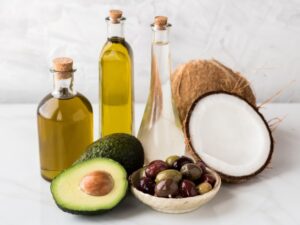
When it comes to cooking and drizzling, here are the top picks:
-
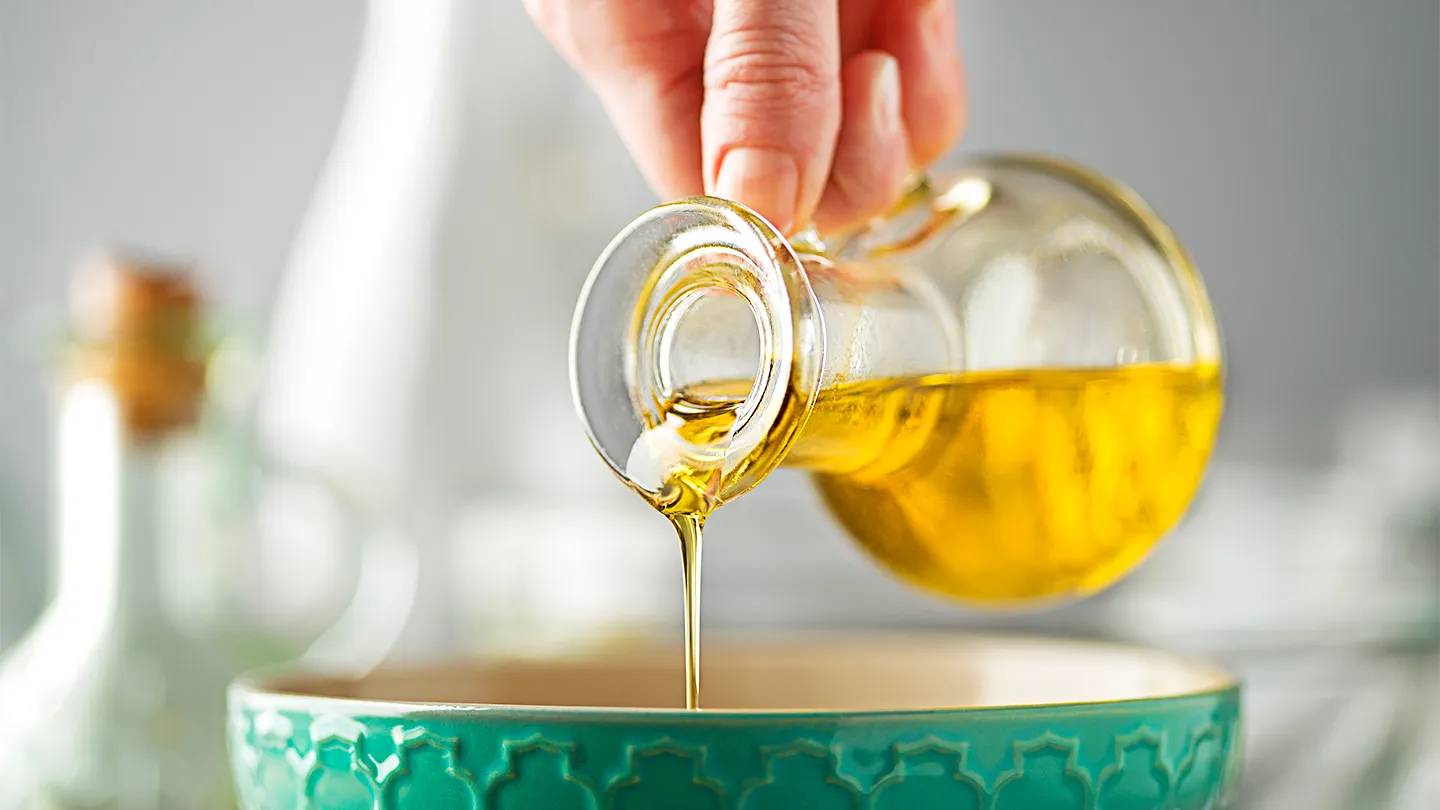
Extra Virgin Olive Oil – rich in antioxidants and monounsaturated fats that protect the heart and lower inflammation. Best for low-to-medium heat cooking or raw use.
-
Avocado Oil – high smoke point, nutrient-dense, and perfect for sautéing or roasting.
-
Coconut Oil – stable at higher heat, provides medium-chain triglycerides (MCTs) for quick energy.
-
Nut & Seed Oils (like walnut or pumpkin seed oil) – best used raw for flavor and added nutrition.
Quality matters just as much as the type of oil you use. Choose oils in dark glass bottles (never plastic) to protect against light and oxidation—especially important for olive and avocado oils. Opt for organic or non-GMO options, and select grass-fed butter or ghee for higher nutrient value. Fresh, well-sourced, and properly packaged fats will always serve your health best.
Cholesterol and Fats: What You Really Need to Know
Eating healthy fats like olive oil, avocado oil, coconut oil, nuts, seeds, and butter does not raise cholesterol in a harmful way. In fact, these foods can improve your cholesterol balance by raising HDL (the “good” cholesterol) and reducing inflammation in the arteries.
It’s also important to know that this is true regardless of how much fat you eat. The old fear that dietary cholesterol or fat intake directly increases cholesterol levels is outdated. What actually drives cholesterol issues is excess calorie intake—particularly from refined carbohydrates—that raise insulin resistance, which in turn disrupts cholesterol balance.
Fats Do Not Make You Fat
Another myth worth busting: eating fat does not automatically lead to weight gain. Fats are satiating, meaning they keep you full for longer and reduce cravings. The real driver of stubborn weight gain is usually excess refined carbohydrates (bread, pasta, pastries, sugary snacks). These spike insulin, a hormone that when chronically elevated, promotes fat storage and disrupts hormonal balance. Healthy fats, on the other hand, support steady energy and metabolic health.
In Summary
The best oils and fats to cook with are those that are minimally processed, nutrient-dense, and heat-stable when needed. Embrace extra-virgin olive oil, avocado oil, coconut oil, grass-fed butter, and raw nut and seed oils. Enjoy them daily without fear—they’re nourishing your brain, hormones, and metabolism. When it comes to cholesterol and weight, it’s not the fats you need to worry about—it’s excess sugar and refined carbs.