Could Histamine Be the Hidden Link?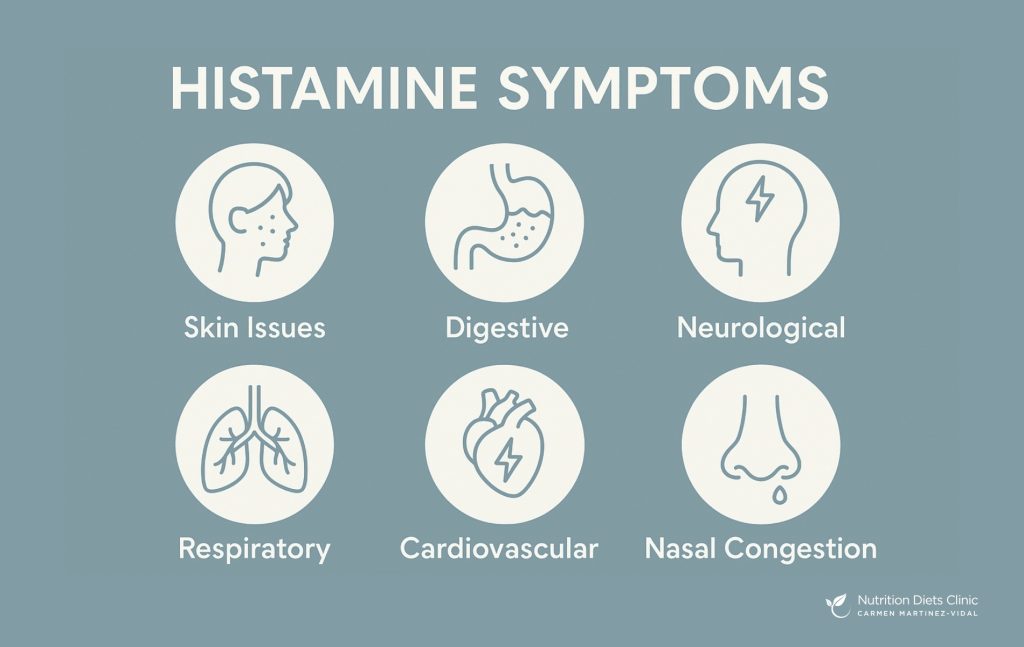
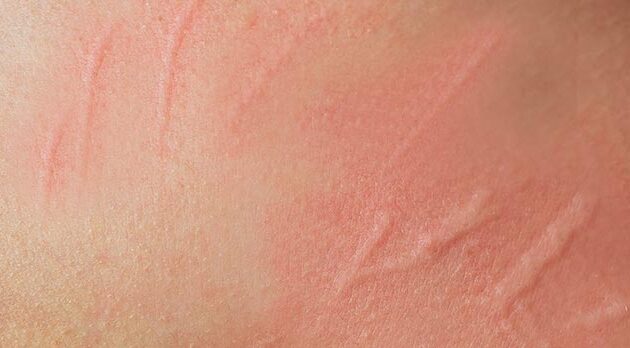
Have you ever lightly scratched your skin, only to see it puff up into raised, red lines — almost like your skin is “writing back”? This is called dermatographic urticaria, or “skin writing.” It’s usually harmless, but for some people it can be itchy, uncomfortable, or a little unsettling.
Now, here’s the interesting part: if you also deal with frequent headaches or migraines, there may be a hidden connection between the two. That connection could be something called histamine intolerance.
What is Histamine?
Histamine is a natural chemical your body makes. It helps with digestion, acts as a messenger in your brain, and plays a key role in your immune system. We also get histamine from certain foods — especially things like wine, aged cheese, fermented foods, or leftovers.
Normally, your body breaks histamine down efficiently. But if too much builds up, or if your system struggles to clear it, you may start to feel the effects — and they can show up in surprising ways.
How Histamine Shows Up in Your Skin
When you scratch or rub your skin, local immune cells release histamine. In some people, that histamine release is exaggerated, leading to the raised, itchy welts of “skin writing.” If your overall histamine levels are already high, these reactions may become more noticeable or bothersome.
How Histamine Shows Up in Your Head
Histamine also affects blood vessels and nerves in the brain. For people sensitive to histamine, this can sometimes trigger headaches or migraines. Foods high in histamine — like red wine or chocolate — are also common headache triggers, which makes sense when you think about it.
Where the Gut Comes In
Most of your body’s histamine processing happens in the gut. If digestion is sluggish, the gut lining is inflamed, or your microbiome is out of balance, your ability to handle histamine may be reduced. That’s why for some people, histamine-related issues often come along with digestive concerns like bloating, heartburn, or irregular bowel movements.
Could This Be You?
If you notice a combination of symptoms — like hives, “skin writing,” flushing, headaches, and digestive upset — it may be worth exploring whether histamine plays a role for you. Reducing high-histamine foods and focusing on fresh, whole foods sometimes brings relief.
But it’s important to remember: not every headache or skin reaction is caused by histamine. Other factors — hormones, stress, nutrient deficiencies, or even simple sensitivity of your skin — could be at play.
Key Points:
Your body is always giving you clues. When your skin is reacting excessively and your head is pounding, it may be pointing toward something deeper. Working with a qualified health practitioner — such as a naturopathic doctor — can help you see the bigger picture, connect the dots between your symptoms, and create a plan that supports your whole system, not just one piece of it.
✨ Bottom line: Whether it’s histamine, hormones, or something else entirely, your symptoms are worth listening to — and you don’t have to sort them out alone.
Yours in health,
Dr. Negin, ND
August 26, 2025