Two Patients, Two Lessons
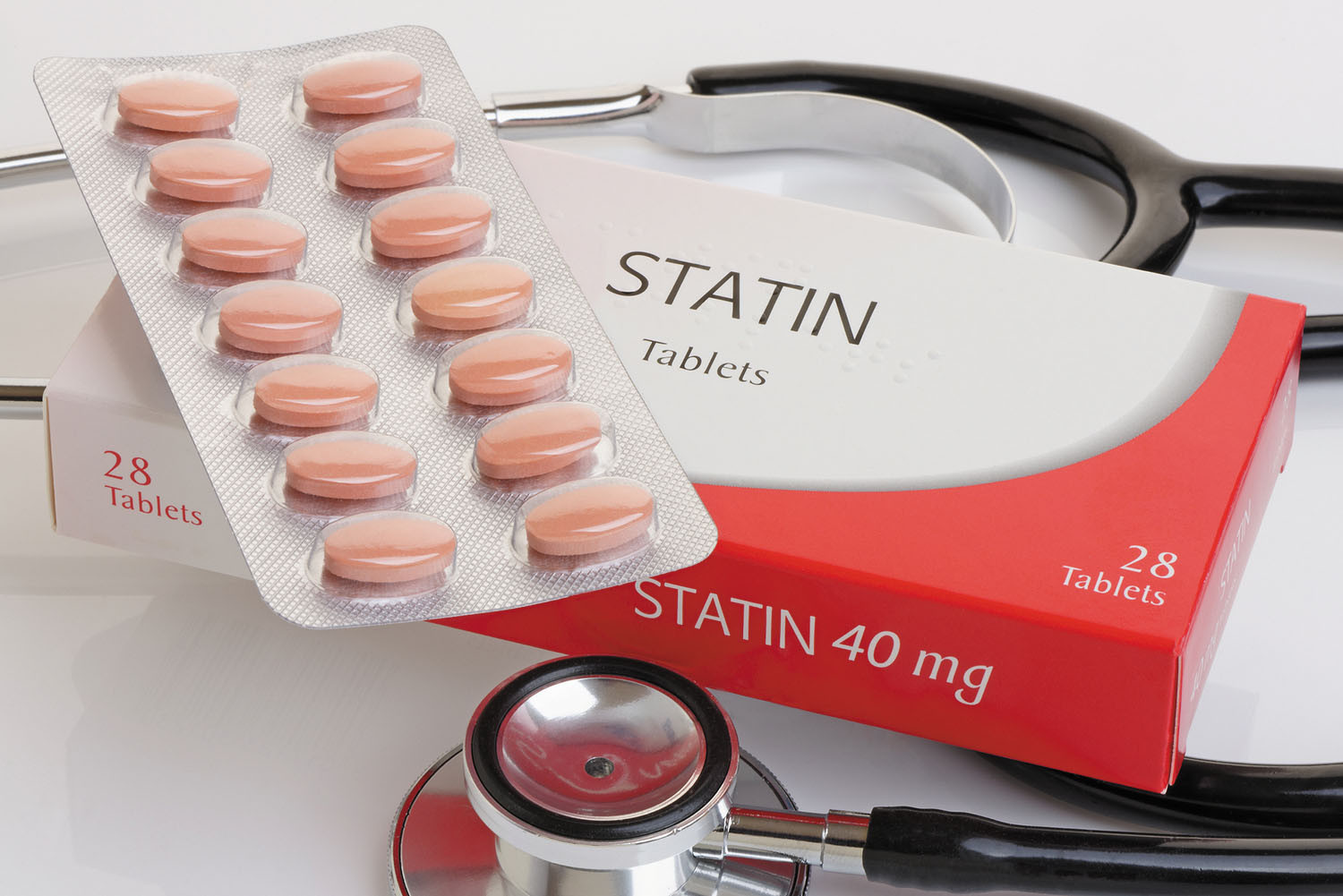
Cholesterol management is a common conversation in many doctors’ offices. Statin medications—such as Crestor and Lipitor—are often the first tool used to bring cholesterol levels into range. For some people, statins work smoothly with no noticeable side effects. But for others, the story is more complicated.
Today, I’d like to share two real-world stories (with details changed for privacy) that highlight what can happen when cholesterol management and muscle health intersect.
Case 1: Elevated Creatine Kinase After Statins
One patient came to me concerned about her creatine kinase (CK) levels. CK is an enzyme released when muscles experience stress or damage, and it’s something we sometimes see elevated in people on statins.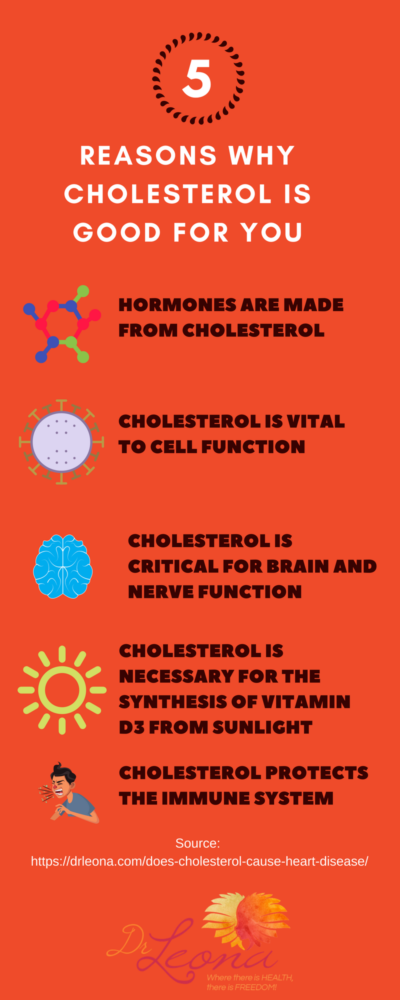
Her cholesterol levels had been elevated for years, and her medical doctor had prescribed a statin. But she never quite tolerated the medication. She would take it sporadically—never consistently—and we noticed an interesting pattern in her bloodwork.
Every time she restarted her cholesterol medication, her CK levels rose on the very next set of labs. This pattern repeated itself over several years of testing, confirming the connection between her muscle enzyme elevations and the statin use.
This was a simple yet important case: sometimes the body tells us directly what it can and cannot tolerate.
Case 2: Muscle Fatigue in a Lifelong Tennis Player
Another patient’s story was a bit more layered. He was an active tennis player, playing three times a week for many years. But over the past couple of years, he noticed a change: fatigue set in more quickly, his muscles ached after games, and he simply wasn’t recovering the way he used to.
He, too, had been prescribed cholesterol medication. Instead of focusing only on the numbers, we decided to take a broader approach:
-
He gradually tapered down his statin dose while we worked together on lifestyle strategies.
-
His specific changes included dietary shifts and prioritizing consistent, quality sleep.
-
We also supported his Coenzyme Q10 (CoQ10) levels, since statins are known to deplete this important nutrient that fuels energy production in muscle cells.
Within six months, he reported a remarkable shift. His cholesterol numbers weren’t yet where his MD wanted them to be, but his energy was back, his muscle aches had disappeared, he was sleeping better, and he felt genuinely optimistic about his health again.
The Takeaway
These two cases illustrate an important point:
-
Statins can, in some people, cause muscle-related side effects—whether that shows up as elevated CK on bloodwork or as fatigue and soreness in daily life.
-
Supporting the body through nutritional strategies, lifestyle changes, and targeted supplements like CoQ10 can make a big difference in how someone feels—even if cholesterol numbers alone don’t tell the whole story.
-
Sometimes, a stepwise approach to lowering statin dosage while building lifestyle foundations is the right path forward.
And here’s something recent research makes very clear: in most cases, cholesterol itself is not the problem. More accurate markers of cardiovascular risk include apolipoprotein B, homocysteine, and C-reactive protein (CRP). So we have to ask: what’s the point of pushing cholesterol into “normal” ranges if it comes at the cost of muscle pain, fatigue, and other signs of dis-ease elsewhere in the body? Especially when so many studies now show that the old cholesterol–heart disease connection has long been debunked.
____________________________________________________________________________________
Your Next Step
If you’re on a statin—or have been told you should be—know that you have options. I can order advanced blood work for you that looks at apolipoprotein B, homocysteine, and CRP, so you get a clearer picture of your cardiovascular health. All you need to do is book an appointment, and we’ll explore together whether cholesterol is really the concern—or if there are deeper, more important markers to address.
_____________________________________________________________________________________
Other Statin Side-effects to be aware of
-
Muscle-related issues
-
Muscle pain, soreness, or cramps
-
Muscle weakness or fatigue
-
Elevated creatine kinase (CK)
-
Rare: severe muscle damage (rhabdomyolysis)
-
-
Metabolic effects
-
Increased risk of developing type 2 diabetes (especially in those already at risk—overweight, pre-diabetes, metabolic syndrome)
-
Mild rise in blood sugar levels
-
-
Liver effects
-
Elevation of liver enzymes (ALT, AST) indicative of damage to the liver
-
-
Neurological / cognitive effects
-
Memory loss or forgetfulness (studies indicating statin use with increased risk of dementia)
-
Brain fog or reduced concentration (less common but reported)
-
-
Digestive symptoms
-
Nausea, indigestion, constipation, or diarrhea
-
-
Energy / general effects
-
Fatigue or reduced exercise tolerance
-
Sleep disturbances (including insomnia or vivid dreams, in some cases)
-
-
Nutrient depletion
-
Reduced Coenzyme Q10 (CoQ10) levels, which can contribute to fatigue and muscle symptoms
-
👉 Side effects are often dose-related and vary from person to person.
👉 Risk tends to increase with higher doses, longer use, combining with other medications, or certain health conditions.
Remember that medicine needs to be individualized. In some cases cholesterol lowering medication are necessary and even in such cases, options other than statins are available. Please book a Comprehensive Consult so that we can assess your risk and decide on the best treatment plan for YOU.
Yours in health,
Dr. Negin