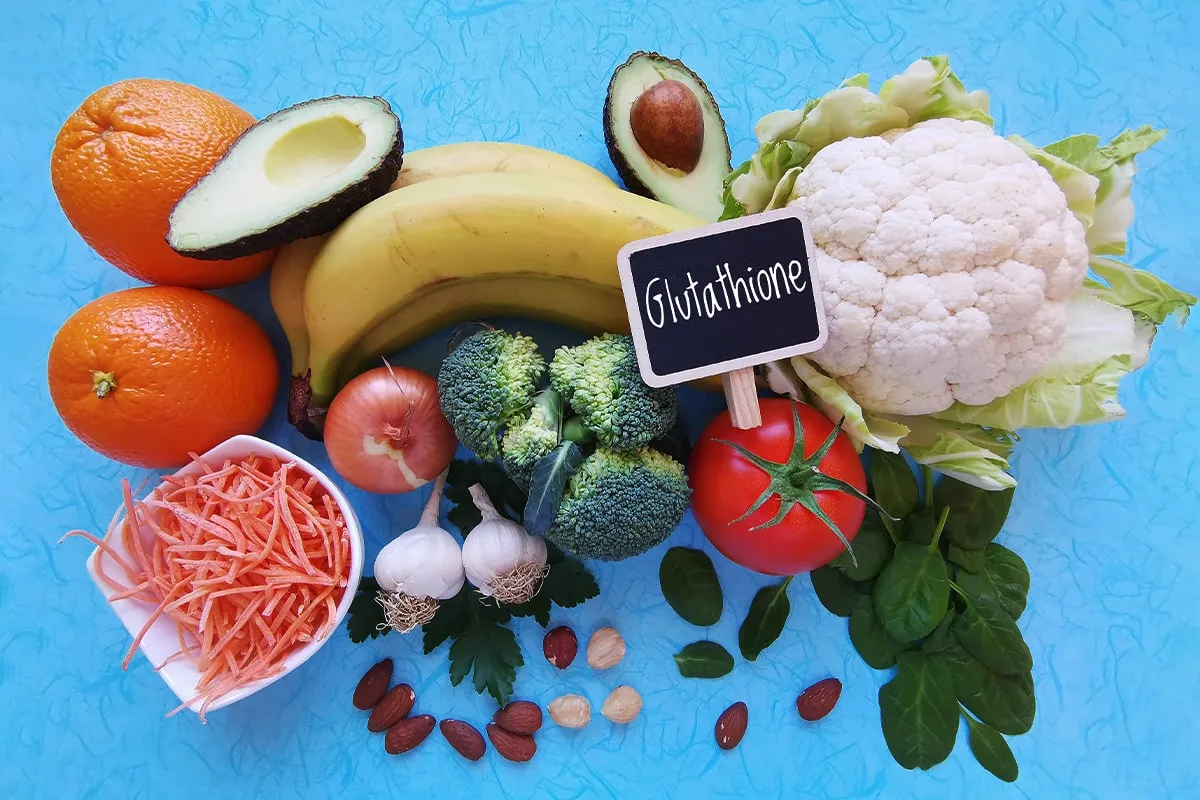
Glutathione is often called the body’s “master antioxidant.” It plays a critical role in detoxification, immune support, and protecting our cells from oxidative stress. NAC (N-acetyl cysteine) is a precursor to glutathione—meaning your body can use it to make more of its own glutathione.
In my practice, I often have to decide: do we go straight to supplementing glutathione, or do we support the body in making its own by using NAC? The answer depends on the person’s health picture, the root cause of their symptoms, and practical considerations like supplement quality and absorption.
When I Prefer Glutathione
If someone’s glutathione levels are significantly depleted—such as in cases of chronic illness, toxin exposure, long-term inflammation, or certain autoimmune conditions—going straight to glutathione can provide faster support. It’s like giving your antioxidant system a direct infusion of what it needs, rather than waiting for the body to build it up.
However, not all glutathione supplements are created equal. Glutathione is notoriously difficult to absorb in oral form unless it’s in a liposomal delivery format (tiny fat-like spheres that protect it as it passes through digestion). Non-liposomal forms are often poorly absorbed and won’t give the desired results. This is why I only use trusted, high-quality sources—products I’ve vetted for purity, potency, and manufacturing standards and proven in research to increase blood levels of glutathione (like the Readisorb brand dispensed at my office).
When I Prefer NAC
There are times I intentionally avoid direct glutathione supplementation and choose NAC instead:
-
Liver support during detox – NAC supports glutathione production but also has independent liver-protective effects.
-
Respiratory health – NAC acts as a mucolytic, helping break down thick mucus in chronic sinus or lung issues.
-
Cost-effectiveness – NAC is generally more affordable and can be a more sustainable long-term approach to maintaining glutathione levels.
-
Early or mild depletion – When the body just needs a boost in its own glutathione-making capacity, NAC can be enough.
Why I Sometimes Combine Them
In some cases—especially in people under high oxidative stress—I’ll use both. NAC supports ongoing production, while glutathione provides an immediate replenishment.
The takeaway is that both glutathione and NAC have unique roles. NAC is like supplying the bricks and mortar for your body’s antioxidant “house,” while glutathione is the house already built and ready to protect you. Choosing the right one is about matching the tool to the situation, ensuring the form is effective, and always sourcing from reputable companies that meet the highest quality standards.
Yours in health,
Dr. Negin
(Aug 18, 2025)