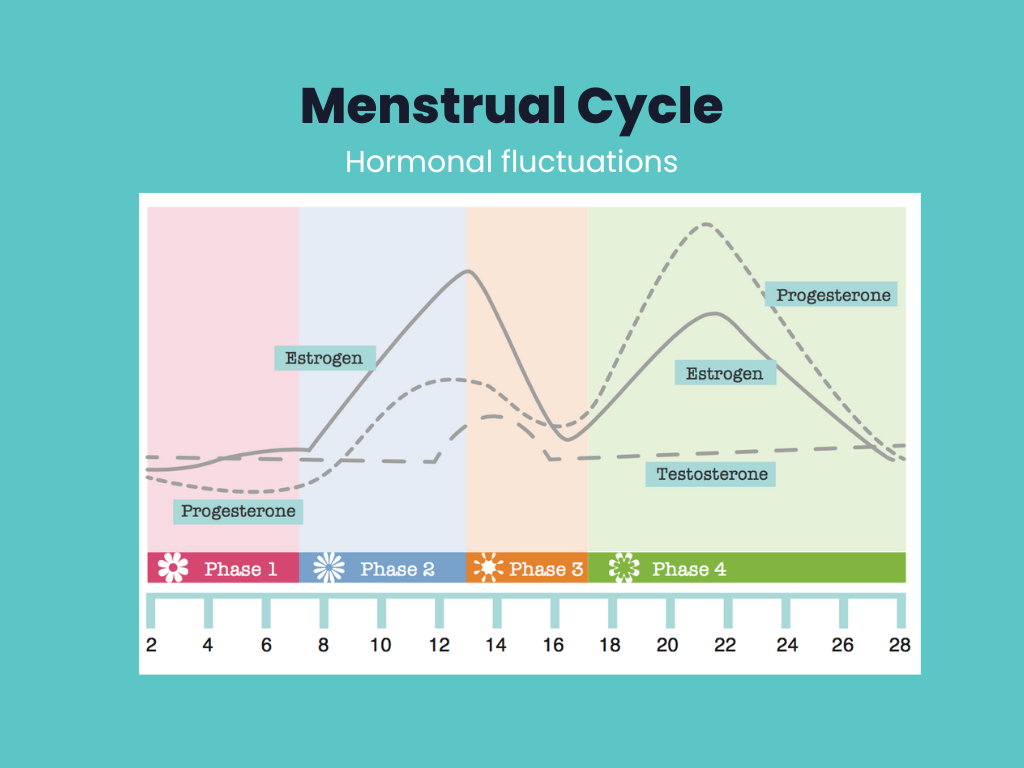
If you’ve been told you have PCOS, chances are you’ve also been told that irregular cycles are just something you’ll have to “manage.”
But that’s not the full picture.
Many women with PCOS are not lacking hormones—they’re missing rhythm.
And one of the key hormones responsible for that rhythm is progesterone.
What’s Really Going On in PCOS?
In a typical cycle, ovulation triggers a rise in progesterone. This helps:
- Signal the brain to regulate the next cycle
- Balance the effects of estrogen
- Create a predictable pattern month to month
In PCOS, ovulation often doesn’t happen consistently. As a result:
- Progesterone stays low
- Hormonal signaling becomes disrupted
- Cycles become irregular or absent
This is why PCOS is not just an ovarian issue—it’s a communication issue between the brain and the ovaries.
Where Progesterone Comes In
Research and clinical experience suggest that cyclical use of natural (bioidentical) progesterone may help support more regular cycles in women with PCOS.
This isn’t about forcing a bleed.
It’s about reintroducing a missing signal that helps guide the body back into a more predictable rhythm.
Not All Progesterone Is the Same
The type of progesterone matters.
Micronized (bioidentical) progesterone is structurally identical to what your body naturally produces—and behaves very differently from the synthetic progestins found in birth control.
Birth control works by suppressing your natural cycle.
Bioidentical progesterone, when used appropriately, is intended to support your body’s own hormonal rhythm.
As a naturopathic doctor in Ontario with prescribing authority, I am able to prescribe this form of progesterone when clinically appropriate, and tailor its use based on your individual hormonal picture.
A Different Way to Think About PCOS
If you’re struggling with irregular cycles, it’s important to know:
- There are options beyond simply going on the pill
- Hormonal support can be used in a more targeted, physiological way
- Your body may not be “broken”—it may just need the right signals
How I Support This in Practice
Supporting PCOS requires a personalized approach.
For some women, that may include bioidentical hormone support. For others, it involves addressing underlying drivers like stress hormones, insulin patterns, or post-pill changes.
The key is understanding your version of PCOS and building a plan around that.
If you’re wondering whether this approach could be right for you, we can explore it together and create a plan tailored to your body. Book in and let’s get started in addressing these imbalances at the root.
Yours in Health,
Dr. Negin
(March 2026)